
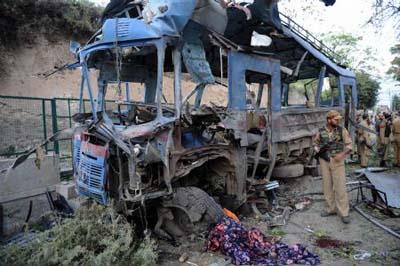
Late on 14 November 2025, a powerful explosion rocked Srinagar’s Nowgam Police Station in Indian-administered Kashmir. This incident — henceforth referred to as the Srinagar Blast — has raised serious security and procedural concerns. The Srinagar Blast killed at least nine people, injured dozens, and shattered the calm of the city.
🔍 What Happened During the Srinagar Blast
- According to officials, the Srinagar Blast occurred while a forensic team and police were examining a cache of seized explosives stored at Nowgam Police Station. NDTV+2India Today+2
- The explosive materials were part of a “white-collar” terror module — a massive haul of around 360 kilograms of chemicals, including ammonium nitrate, previously recovered from a doctor’s residence in Faridabad. The Times of India+1
- The blast was so intense that it triggered a chain reaction — smaller successive explosions inside the compound hampered immediate rescue efforts. The Times of India
- At least nine people died and more than 30 were injured. Most of the victims were police officers, forensic scientists, and administrative staff. Al Jazeera+2NDTV+2
- According to the police, there was no initial evidence of a terror attack — they have termed the Srinagar Blast an accidental explosion during sample extraction. Al Jazeera
📌 Impact and Reactions
- The Srinagar Blast caused widespread panic in the neighborhood. CCTV footage, later released, shows a fireball tearing through the night sky and shockwaves damaging nearby buildings. India Today+1
- Several nearby homes and vehicles were damaged. Authorities scrambled fire tenders and rescue teams amid fears of further explosions. mint+1
- Political leaders voiced serious concern: Arvind Kejriwal called the Srinagar Blast “extremely tragic” and questioned government preparedness and safety protocols. Business Standard
- The blast fuels broader debates over how to handle and store seized explosive materials. Some analysts are questioning whether adequate safety protocols were followed.
⚠️ Significance of the Srinagar Blast
- Security Oversight
The Srinagar Blast indicates potential lapses in the handling and storage of high-risk explosive material. Events like this raise red flags regarding forensic and counter-terrorism procedures.- Terror Network Exposure
Investigators have traced the explosives to a terror module that spans multiple states. The magnitude of materials (360 kg) points to a sophisticated, inter-state network. The Times of India- Public Confidence
The shocking nature of the Srinagar Blast erodes public trust in security agencies — especially when personnel are directly harmed while investigating terror-related materials.- Policy Lessons
Handling seized explosives requires stringent checks. The blast may prompt a renewed look at policies around the transport, storage, and forensic testing of such volatile materials.
✅ Final Thoughts on the Srinagar Blast
The Srinagar Blast is a tragic reminder that even routine counter-terror work is perilous. While officials insist it was not a terror attack, the loss of life underscores the urgency of reviewing forensic protocols and safety measures. As the inquiry unfolds, this incident will likely lead to policy changes — and perhaps reforms — in how law enforcement in Jammu and Kashmir handles seized terror material.









2 Comments