
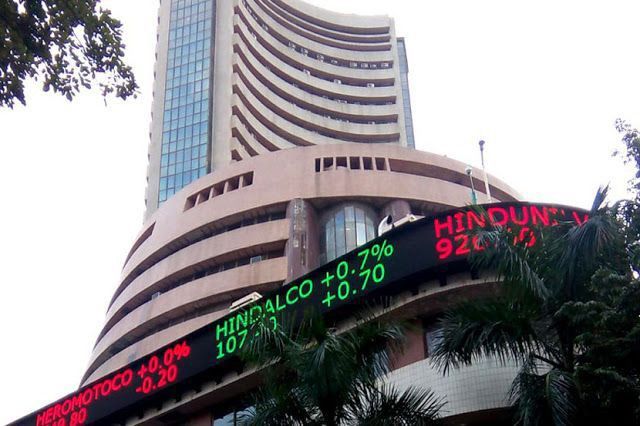
The Indian stock market plays a vital role in the country’s economic growth and wealth creation. Over the years, it has evolved into one of the fastest-growing financial markets in the world, attracting millions of retail and institutional investors. Whether you are a beginner or an experienced trader, understanding how the Indian stock market works is essential for making informed investment decisions.
What Is the Indian Stock Market?
The Indian stock market is a marketplace where shares of publicly listed companies are bought and sold. It allows companies to raise capital and investors to participate in a company’s growth by owning a part of it.
India has two major stock exchanges:
- Bombay Stock Exchange (BSE) – Asia’s oldest stock exchange
- National Stock Exchange (NSE) – India’s largest exchange by trading volume
Popular market indices such as Sensex (BSE) and Nifty 50 (NSE) reflect the overall performance of the Indian stock market.
How the Indian Stock Market Works
The Indian stock market operates electronically and is regulated by SEBI (Securities and Exchange Board of India). Investors place buy or sell orders through registered stockbrokers. These orders are matched based on price and time priority.
Key participants include:
- Retail investors
- Institutional investors (mutual funds, banks, FIIs)
- Stockbrokers and trading platforms
- Market regulators
Trading usually takes place from 9:15 AM to 3:30 PM, Monday to Friday, excluding market holidays.
Types of Investment Options in the Indian Stock Market
The Indian stock market offers various investment avenues:
1. Equity Shares
Buying shares means owning a portion of a company. Equity investments are suitable for long-term wealth creation.
2. Mutual Funds
Mutual funds pool money from multiple investors and invest in stocks, bonds, or other assets. They are ideal for beginners.
3. Derivatives
Includes Futures and Options, used for hedging and short-term trading. These involve higher risk.
4. ETFs (Exchange-Traded Funds)
ETFs track indices like Nifty 50 or Sensex and trade like stocks.
Why the Indian Stock Market Is Important
The Indian stock market contributes significantly to:
- Economic development
- Capital formation
- Employment generation
- Financial inclusion
It also serves as an indicator of investor confidence and the overall health of the Indian economy.
Factors That Affect the Indian Stock Market
Several factors influence market movements:
- Economic data (GDP, inflation, interest rates)
- Corporate earnings and results
- Global market trends
- Government policies and budget announcements
- Geopolitical events
Understanding these factors helps investors anticipate market trends better.
Is the Indian Stock Market Safe for Beginners?
Yes, the Indian stock market is well-regulated and transparent. However, risks are inherent. Beginners should:
- Start with long-term investments
- Avoid emotional trading
- Learn basic financial concepts
- Diversify their portfolio
Using disciplined strategies and proper research can significantly reduce risks.
Future of the Indian Stock Market
With increasing digital adoption, rising retail participation, and strong economic fundamentals, the future of the Indian stock market looks promising. Sectors like technology, renewable energy, infrastructure, and banking are expected to drive growth in the coming years.
📌 Trending Insights: Indian Stock Market in 2025
The Indian stock market in 2025 is witnessing a surge in retail investors, fueled by easy-to-use trading apps, financial influencers, and increased awareness about long-term investing. SIPs, index funds, and blue-chip stocks are becoming popular choices among young investors.
Government reforms, stable macroeconomic indicators, and India’s growing global influence continue to strengthen investor confidence in the Indian stock market.
📊 Expert Tip for Discover Readers
“Successful stock market investing in India is not about timing the market, but about time in the market.”
Long-term investors who stay disciplined during market volatility often outperform short-term traders.
❓ Frequently Asked Questions (FAQs) – Indian Stock Market
Q1. What is the Indian stock market?
The Indian stock market is a platform where shares of publicly listed companies are traded, mainly through NSE and BSE.
Q2. Is the Indian stock market good for beginners?
Yes, beginners can safely invest by starting with mutual funds, index funds, and blue-chip stocks while learning market basics.
Q3. How much money is required to start investing in the Indian stock market?
You can start investing with as little as ₹500 through SIPs or by buying low-priced shares.
Q4. What are the risks in the Indian stock market?
Market volatility, economic changes, company performance, and global events are common risk factors.
Q5. Who regulates the Indian stock market?
The Indian stock market is regulated by SEBI (Securities and Exchange Board of India).