
Mahipalpur Blast: What Happened, What It Means, and What Comes Next:
The incident near Delhi’s Mahipalpur area—referred to here as the Mahipalpur Blast—triggered alarm across the national capital on Thursday morning of November 13, 2025. This piece unpacks the details of the Mahipalpur Blast, investigates its context and impact, and explores why even a false alarm matters in today’s security climate.
🔍 What Happened in the Mahipalpur Blast
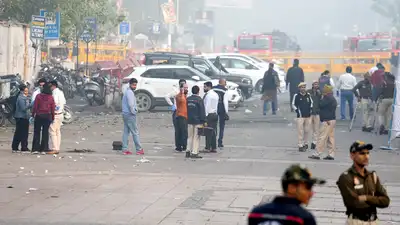
Early on Thursday morning, a loud explosion-like sound was reported near the Radisson Blu Plaza Hotel Delhi Airport in Mahipalpur, southwest Delhi. Residents and staff heard a sharp bang around 9:18 a.m., triggering panic and a rapid emergency response. mint+2www.ndtv.com+2
Shortly after initial reports of an explosion, the police and fire services conducted a thorough investigation at the site. After checking the area, officials determined that the sound was caused not by a bomb or terror attack, but by the bursting of a DTC bus tyre. The Hans India+1 The Mahipalpur Blast scare thus turned out to be a false alarm—but one with meaningful consequences.
📌 Why This False Alarm Matters
Even though the Mahipalpur Blast did not result in physical damage or casualties, it holds significance for several reasons:
- Heightened security alert – Delhi is already on edge after a lethal car explosion near the Red Fort on November 10, 2025. The Mahipalpur Blast occurred just days later, amplifying public anxiety. NDTV Profit+1
- Resource deployment & cost – Emergency services (fire tenders, police teams) were dispatched quickly, showing how even suspected incidents consume manpower and logistics.
- Public trust & communication – The incident tests how authorities communicate with citizens, manage fear, and prevent misinformation from spreading.
- Infrastructure vulnerability – A burst tyre producing a “blast-like” noise reveals how urban infrastructure and mechanical events can be misinterpreted during high-alert periods.
- Policy & vigilance implications – The Mahipalpur Blast emphasizes the need for rapid investigation and clear public guidance, so routine events don’t become panic triggers.
🔗 Broader Context of the Mahipalpur Blast
The Mahipalpur Blast must be viewed in the backdrop of the larger security landscape:
- A car explosion near the Red Fort, which killed at least 12–13 people and triggered a terror-attack investigation. The Guardian+1
- The Mahipalpur sound occurred at a busy transit corridor near the airport and Gurugram-bound highways, making response and circulation critical.
- Traffic and hotel occupancy in Mahipalpur may be affected by heightened alertness and public wariness.
- Authorities must balance maintaining normalcy with readiness—especially in a zone that serves domestic and international travellers.
✅ Key Takeaways
- The Mahipalpur Blast was not a terror event—it was a tyre burst—but public reaction and resource mobilisation were real.
- In high-alert environments, even conventional incidents can trigger major public response and disrupt routines.
- Authorities and citizens alike should use this as a reminder: security infrastructure works both for confirmed threats and for managing mass concern.
- Clear, prompt communication is vital. The incident shows how critical it is for authorities to confirm facts swiftly to prevent false panic.







One Comment