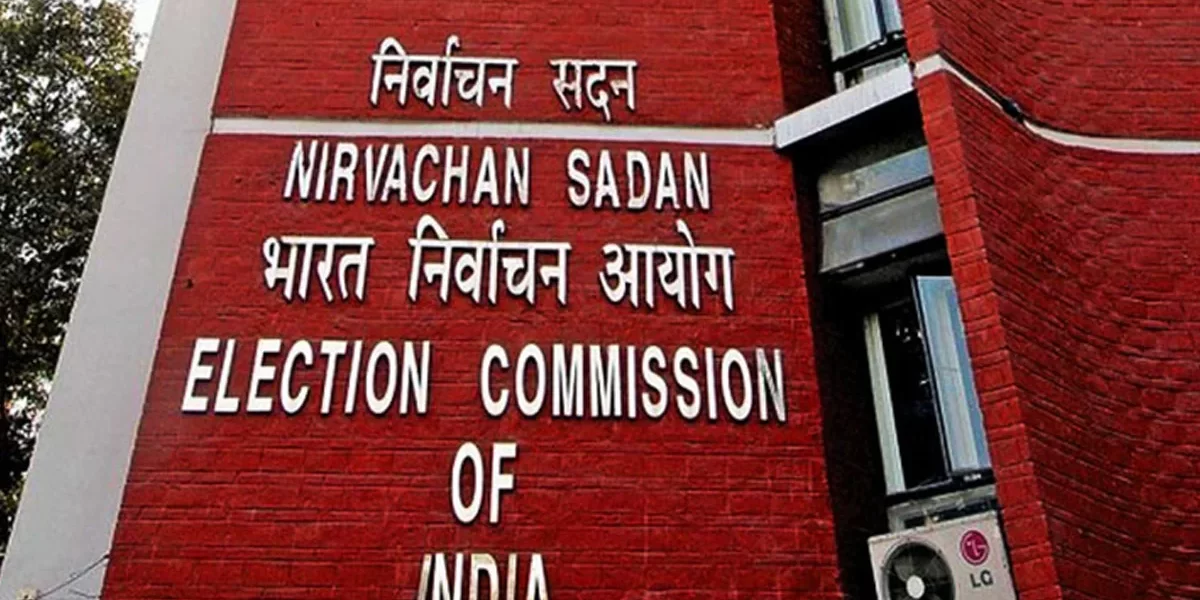
The Election Commission of India plays an absolutely crucial role in the world’s largest democracy. As the constitutional body responsible for conducting elections, the Election Commission of India ensures that India’s democratic process remains free, fair, and inclusive. In this article, we dive into how the Election Commission of India works, its powers, challenges, and its significance in shaping India’s political future.
🔍 What Is the Election Commission of India?
The Election Commission of India (ECI) is a permanent, autonomous constitutional body established on January 25, 1950. Its foundation lies in Article 324 of the Indian Constitution, which grants it the power of “superintendence, direction, and control” over the entire electoral process.
Initially, the ECI had only one member — the Chief Election Commissioner (CEC). Over time, it expanded to a three-member body: the CEC and two other Election Commissioners. Their independence is protected: they can only be removed by a rigorous parliamentary process, making the Election Commission of India largely immune to political interference.
📋 Core Functions & Powers
The Election Commission of India has a wide range of powers and responsibilities, many of which are central to maintaining election integrity:
- Conducting Elections
The ECI organizes and oversees elections for:- Lok Sabha (Parliament)
- State Legislative Assemblies
- President and Vice President of India
- Managing Electoral Rolls
It prepares, updates, and maintains the voter list. It also issues Electoral Photo Identity Cards (EPIC) to registered voters. - Model Code of Conduct
During elections, the Election Commission of India enforces the Model Code of Conduct (MCC) for political parties and candidates to prevent unfair practices and maintain electoral decorum. - Monitoring Campaign Finance
The ECI sets limits on campaign expenditure and monitors candidates’ spending to curb the influence of money in politics. - Recognition of Parties & Symbols
The Commission registers political parties, allocates election symbols, and can de-recognize parties that fail to maintain standards. - Quasi-Judicial Role
It settles disputes related to party recognition and symbol allotment. It also advises on disqualification of representatives under the Representation of the People Act. - Voter Education
To boost voter participation, the Election Commission of India implements programs like SVEEP (Systematic Voters’ Education and Electoral Participation). - Use of Technology
The ECI uses EVMs (Electronic Voting Machines), VVPAT machines, and digital platforms (apps/websites) to streamline election management and enhance transparency.
⚠️ Challenges Faced by the Election Commission of India
While the Election Commission of India is fundamental to India’s democracy, it also navigates several challenges:
- Voter List Accuracy: Maintaining and updating accurate electoral rolls across India’s vast geography is a monumental task.
- Political Pressure & Neutrality: Despite being independent, the ECI often faces accusations of bias or inaction on politically sensitive issues.
- Campaign Finance: Monitoring and verifying campaign spending remains a big challenge.
- Logistical Complexity: Conducting elections in remote or difficult terrain — especially while ensuring voter accessibility and security — tests the Commission’s operational capacity.
- Public Trust: As election-related controversies spread (via media or social platforms), maintaining public trust is more critical than ever.
🔭 Why the Election Commission of India Matters
- Safeguarding Democracy
By overseeing elections impartially, the Election Commission of India preserves the core of India’s democratic system. It ensures that citizens’ voices are counted fairly and elections reflect the true will of the people. - Empowering Voters
With voter education drives and stringent processes for voter registration, the ECI empowers citizens to become active participants in democracy, not just as ballots, but as informed voters. - Setting Global Standards
The size and scale of Indian elections are unparalleled. The Election Commission of India has to manage a vast electorate, complex regional realities, and diverse political landscapes — setting a benchmark for democratic election management globally.
✅ Final Thought
The Election Commission of India plays a vital role in navigating the complexities of Indian democracy. As India continues to evolve politically, the ECI’s role becomes more important than ever: safeguarding free and fair elections, ensuring transparency, and building trust among millions of voters. Effective functioning of the Election Commission of India is not just about managing polling stations — it’s about preserving the soul of Indian democracy.