
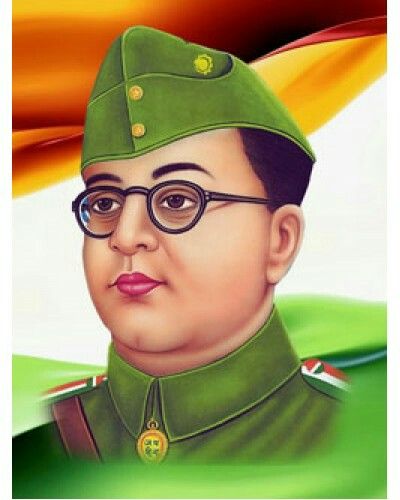
Who Was Subhash Chandra Bose?
Subhash Chandra Bose (23 January 1897 – 18 August 1945) was a prominent Indian nationalist leader who played a key role in India’s fight for independence from British colonial rule. Popularly known as Netaji, he is remembered for his courage, leadership, and unyielding patriotism.
Bose’s ideas often clashed with Mahatma Gandhi’s philosophy of non-violence, as he believed India needed armed resistance to overthrow British rule.
Early Life and Education
- Birth: 23 January 1897, Cuttack, Odisha
- Family: Influential Bengali family with a strong sense of nationalism
- Education: Studied in India and England; passed the Indian Civil Services (ICS) exam but resigned to join the freedom movement
Bose was known for his intellect and dedication from a young age, earning respect among peers and mentors alike.
Political Journey
Joining the Indian National Congress
Bose joined the Indian National Congress in the 1920s and quickly rose through the ranks, becoming President of the Congress in 1938 and 1939.
However, his differences with the Congress leadership, especially over approaches to British rule, led him to resign and seek alternative methods to free India.
Formation of the Forward Bloc
In 1939, Bose founded the Forward Bloc, aiming to unite radical elements in the Congress to fight British colonialism more aggressively.
Indian National Army (Azad Hind Fauj)
Bose’s most notable contribution was the Indian National Army (INA):
- Formed in 1942 with the help of Japanese support
- Goal: Liberate India from British rule through armed struggle
- Recruited thousands of Indian soldiers who were prisoners of war in Southeast Asia
- Famous slogan: “Jai Hind!”
The INA fought alongside Japanese forces in Burma and northeastern India, inspiring a sense of nationalism across the country.
Legacy and Impact
- Bose is regarded as one of India’s greatest freedom fighters
- The INA trials post-WWII sparked mass protests in India, boosting the independence movement
- His vision of a free India continues to inspire generations of Indians
Famous Quote:
“Give me blood, and I shall give you freedom!” – Subhash Chandra Bose
Death Controversy
Subhash Chandra Bose is reported to have died in a plane crash in Taiwan on 18 August 1945. However, his death remains shrouded in mystery, with theories and speculations about his survival circulating even today.
Commemorations
- Netaji Subhash Chandra Bose International Airport – Kolkata
- Netaji Bhawan – Kolkata, museum dedicated to his life
- Annual Netaji Jayanti – 23 January, celebrated nationwide
Bose’s legacy is not just in monuments, but in India’s enduring spirit of resistance and patriotism.
Final Thoughts
Subhash Chandra Bose remains a symbol of courage, determination, and revolutionary zeal. His commitment to India’s freedom struggle continues to inspire not just Indians, but people worldwide who fight against oppression.