The Indian music industry is one of the largest music markets on the planet.
Yet it operates very differently from the music industries of the United States, United Kingdom, South Korea, Europe, or Latin America.
While artists like Arijit Singh, A.R. Rahman, and Shreya Ghoshal dominate India’s charts, the way music becomes successful in India is often completely different from how it works elsewhere.
This unique structure creates opportunities, challenges, and surprises that many international artists struggle to understand.
🎬 Bollywood Still Dominates Music
The biggest difference is simple:
In most countries, the music industry drives movies.
In India, movies often drive the music industry.
For decades, film songs have dominated Indian music consumption.
A song from a blockbuster movie can instantly become a nationwide hit, regardless of whether the audience knows the composer or singer.
In countries like the United States, listeners often follow artists first.
In India, many listeners still discover songs through films.
🎤 Playback Singers Are Bigger Than Most Independent Artists
Another unique aspect is the concept of playback singing.
Artists such as:
- Arijit Singh
- Sonu Nigam
- Sunidhi Chauhan
- Shreya Ghoshal
became household names by singing for actors on screen.
In much of the world, audiences usually see the singer performing their own songs.
India created an entirely different system where singers become stars without appearing in every music video.
🌎 India Has Multiple Music Industries, Not One
Unlike many countries that operate mainly in one language, India has dozens of major music markets.
Music is produced in:
- Hindi
- Tamil
- Telugu
- Punjabi
- Bengali
- Marathi
- Malayalam
- Kannada
- Gujarati
- Bhojpuri
and many other languages.
A singer can be a superstar in one region and completely unknown in another.
This diversity makes India’s music ecosystem unique.
📱 Streaming Changed India Faster Than Most Markets
India skipped several stages of music consumption.
Many countries moved gradually from:
CDs → Downloads → Streaming
India jumped almost directly into streaming thanks to affordable smartphones and cheap internet.
Platforms such as:
- Spotify
- YouTube Music
- JioSaavn
- Wynk Music
now dominate music consumption.
For many young listeners, streaming is the only way they’ve ever consumed music.
🎵 Live Shows Matter More Than Streaming Revenue
This is a reality many international observers don’t realize.
In countries like the United States, artists can earn substantial money from streaming.
In India, streaming payouts are generally much lower.
As a result, many musicians rely heavily on:
✔ Live concerts
✔ Weddings
✔ Corporate events
✔ College festivals
✔ Private performances
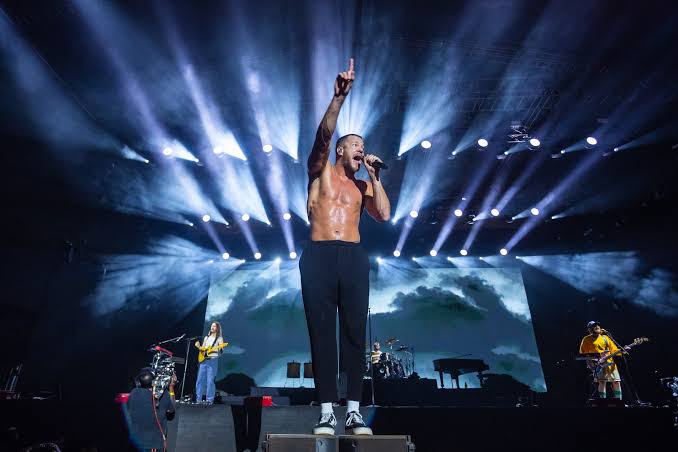
For numerous Indian artists, live performances generate far more income than streaming platforms.
💍 Weddings Are a Massive Music Industry
This is perhaps India’s most unique advantage.
Few countries have a wedding industry as large as India’s.
From local singers to major stars, wedding performances generate enormous revenue.
Artists are regularly booked for:
- Sangeet ceremonies
- Mehendi functions
- Receptions
- Destination weddings
A successful wedding performer can build an entire career without having chart-topping songs.
Yogi M performs at weddings, corporate events, and private celebrations.
 Contact: 8097170944
 Official Website: https://officialyogi.com/live
🎶 Independent Music Is Finally Growing
For decades, film music dominated the landscape.
Today, independent artists are gaining more attention than ever before.
Artists such as:
- Prateek Kuhad
- King
- Anuv Jain
have shown that artists can build successful careers outside the film industry.
Social media has made this possible.
📱 Reels Often Matter More Than Radio
In many countries, radio remains a major driver of music discovery.
In India, short-form content increasingly dominates.
A song that trends on:
- Instagram Reels
- YouTube Shorts
- TikTok (outside India)
can reach millions of listeners almost instantly.
Sometimes a 15-second clip becomes more important than the full song.
🎭 Audiences Expect Emotion More Than Trends
Indian listeners often connect deeply with:
❤️ Romance
💔 Heartbreak
🙏 Devotion
🏡 Family values
🎉 Celebration
While international markets may quickly shift between trends, emotional storytelling remains a powerful force in Indian music.
This is one reason romantic songs continue dominating streaming charts year after year.
🚀 Why India’s Music Industry Is Becoming Global
The world is paying more attention to Indian music than ever before.
Several factors are driving this growth:
✔ Massive population
✔ Young audience
✔ Affordable internet
✔ Growing independent scene
✔ International collaborations
✔ Global streaming platforms
Indian artists no longer need record labels or film studios to reach international listeners.
A viral song can now travel worldwide within hours.
The Biggest Challenge
Despite its size, the Indian music industry still faces challenges:
- Low streaming payouts
- Limited artist ownership
- Heavy dependence on film music
- Discoverability issues for independent musicians
Many talented artists struggle to monetize their audience effectively.
Final Thoughts
The Indian music industry is unlike any other in the world.
It combines:
🎬 Film music
🎤 Playback singers
💍 Wedding performances
📱 Social media virality
🌎 Multiple languages
🎵 Independent artists
into a unique ecosystem that continues to evolve.
While Western markets are often driven by record labels and streaming revenue, India’s music industry remains powered by emotion, culture, live performances, and its deep connection to cinema.
And as independent artists continue rising, the next decade could be the most exciting period in Indian music history.