
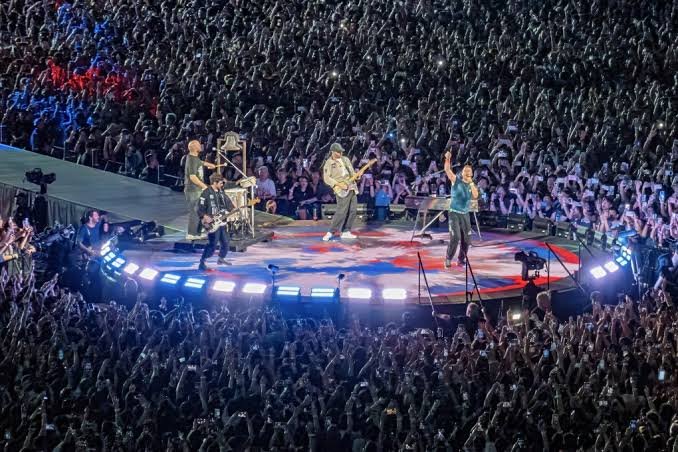
India’s live music scene is changing rapidly. Today, attending a major concert is no longer just about buying a ticket and reaching a stadium. For many fans, it means booking flights, reserving accommodation, planning local transport and sometimes taking an entire weekend off to see their favourite artists perform live. This growing trend is known as concert tourism—travelling to another city specifically to attend a concert, music festival or major live event.
From stadium shows in Mumbai and Ahmedabad to large-scale concerts in Delhi and Bengaluru, fans are increasingly turning live performances into short travel experiences. But when thousands of people head to the same city for one event, transport and accommodation can become expensive.
As a musician and music producer who has spent 10 years working within the active Indian live ecosystem, I have seen firsthand how easily an unplanned gig trip can drain your bank account. From dynamic flight surges to massively inflated hotel rates around stadium clusters, navigating a concert trip requires a strategic blueprint. Here is my insider guide to maximizing your live music experience across India without breaking the bank.
1. Choose Your Hotel Based on Transport, Not Distance
One of the biggest mistakes concert travellers make is booking a hotel simply because it is close to the stadium.
Accommodation near a major venue can become expensive around popular concert dates, particularly when demand increases. However, staying right beside the stadium doesn’t necessarily mean you’ll reach your hotel quickly. Road closures, traffic restrictions and crowds leaving the venue can make the final stretch surprisingly slow.
A better approach is to look for accommodation with convenient access to public transport.
The 5–8 km strategy
Start by checking hotels approximately 5–8 kilometres from the venue. Treat this as a starting point rather than a strict rule: the best location depends on the city’s transport network, the stadium’s access points and your budget.
Before booking, check:
- Whether a metro station or railway station is nearby
- How late public transport operates after the concert
- Whether the venue has designated taxi pickup points
- The estimated return journey after the show
- Whether the hotel offers a reasonable cancellation policy
Compare the total journey rather than just the distance on a map. A hotel farther away but connected by a convenient metro route may be a better choice than a more expensive property near a congested stadium entrance.
Budget tip: Compare hotel prices for your concert dates against the surrounding weekends. This helps you understand whether you’re paying a premium because of the event.
2. Book Flights and Trains Before Demand Peaks
When a major artist announces a concert, fans from other states may begin booking travel immediately. If the event attracts a large audience, demand for flights and accommodation can rise around the same dates.
There is no guaranteed booking window that always produces the cheapest fare, but waiting until the last minute can leave you with fewer choices.
When should you arrive?
For a Saturday concert, consider arriving on Friday or earlier if your budget allows. For a particularly important show or a trip involving connecting flights, arriving on Thursday can provide an additional buffer.
An early arrival offers several advantages:
- You have time to recover from the journey.
- A delayed flight is less likely to make you miss the show.
- You can explore the city without rushing.
- You can collect wristbands or complete other event formalities if required before concert day.
For shorter journeys, compare train fares and journey times as well. Premium trains, regular express services and overnight buses can sometimes offer better value than flying, depending on the route.
Don’t compare only the ticket price. Include airport transfers, station transport, baggage charges and the time needed to reach your hotel.
Make your return journey part of the plan
A concert ending late at night can make onward travel difficult. If you’re taking a train or flight the following morning, allow enough time to reach the station or airport.
Avoid booking a connection that leaves immediately after the expected concert finish. Performances can run late, and exiting a crowded venue may take considerable time.
3. Create a Concert Travel Budget Before Booking
Concert tourism can become expensive because several costs arrive together. The ticket might seem affordable initially, but accommodation, transport, food and local travel can significantly increase the final amount.
Build a budget before making non-refundable bookings.
| Expense | What to include |
|---|---|
| Concert ticket | Ticket price and applicable fees |
| Travel | Flights, trains or buses |
| Accommodation | Room rate, taxes and extra nights |
| Local transport | Metro, taxis, airport transfers and parking |
| Food and drinks | Meals during travel and at the venue |
| Essentials | Permitted accessories and toiletries |
| Emergency reserve | Unexpected transport or accommodation costs |
Compare at least two travel options and several accommodation choices before committing.
If you’re travelling with friends, sharing a room or booking group transport may reduce the per-person cost. Make sure everyone agrees on the budget and booking arrangements beforehand.
My recommendation: Decide your maximum total trip budget first, then choose your ticket category. It’s better to enjoy a slightly less expensive ticket without financial stress than to spend your entire budget before the concert even begins.
4. Pack Smart for a Long Day at the Stadium
A stadium concert can involve hours away from your hotel, including travel, queues, security checks and the performance itself. Packing efficiently helps you stay comfortable without carrying unnecessary weight.
The most important rule is to check the official event’s prohibited-items policy before buying or packing accessories. Bag-size limits, electronics rules and other restrictions vary between organisers and venues.
Compact power bank
Your phone may be needed for digital tickets, navigation, contacting friends and taking photographs. Heavy camera use and mobile data can drain its battery quickly.
A compact power bank can be useful for the journey, hotel transfers and other parts of your trip—but don’t assume it will be allowed inside the stadium. Check the event’s specific rules before carrying one.
If power banks are prohibited, fully charge your phone before leaving and use battery-saving mode when appropriate.
Shopping tip: If you plan to buy a power bank, compare its capacity, charging speed, weight, safety certifications and airline restrictions. Check the product’s current rules before travelling.
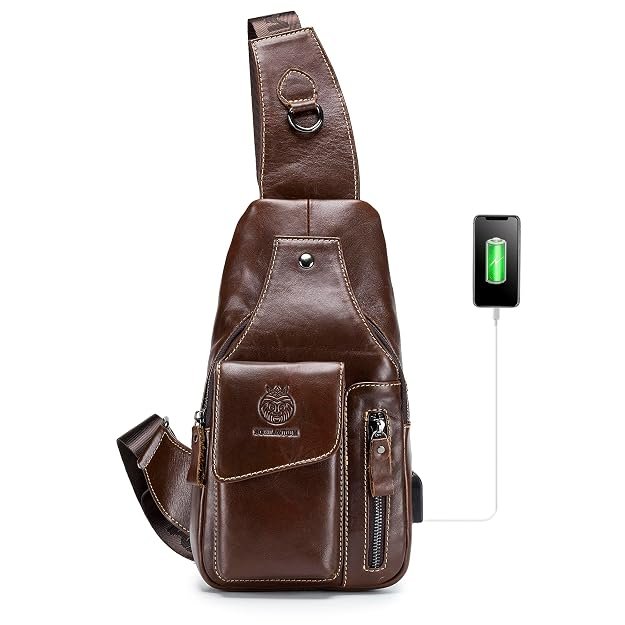
My Favourite

Small, secure sling bag
A compact cross-body bag can make it easier to carry essentials while keeping your hands free. Choose one with secure zips and enough space for your phone, ID, ticket-related essentials and wallet.
However, don’t assume every stadium permits sling bags or follows the same A4-size restriction. Check the actual event policy, including any restrictions on bag dimensions, compartments and materials.
Leave unnecessary valuables and bulky luggage at your accommodation.
What I Use
Other useful essentials
Depending on the venue’s rules, you may also want to prepare:
- Comfortable, broken-in shoes
- Weather-appropriate clothing
- Essential medication
- A small amount of cash and a payment card
- Emergency contact details
- A fully charged phone with your ticket accessible
Avoid packing items simply because they’re useful in everyday life. If the venue doesn’t permit them, they can cause delays at security.
5. Understand Stadium Entry Rules Before Concert Day
A little preparation can save you from unnecessary stress at the entrance.
Before leaving your hotel, review the event’s official instructions. Check the opening time, your entry gate, ticket category, identification requirements and whether you need to collect a wristband before entering.
Also confirm the rules for outside food, beverages, cameras, bags and portable charging devices.
Don’t rely on the policies of another concert, even if it took place at the same stadium. Organisers can introduce different arrangements for different events.
For a more detailed checklist covering tickets, clothing, security, crowd safety and transport, read our guide: How to Prepare for Stadium Concerts in India.
Arrive with enough time
Don’t plan to reach the stadium just before the advertised performance time. Allow extra time for traffic, walking to the correct gate, security screening and ticket scanning.
If you are travelling with friends, agree on a meeting point in case you get separated. Save important contact numbers and make sure everyone knows how to get back to the accommodation.
6. Plan Your Food, Water and Local Transport
Food and drinks at major events can cost more than meals outside the venue, and queues may be long during busy periods.
If permitted by your schedule and the venue rules, eat a proper meal before entering. Check whether the organiser provides food stalls and drinking-water facilities, and whether outside bottles or snacks are allowed.
For local transport, identify the available options before the show:
- Metro or suburban railway services
- Official event shuttles, if offered
- Designated taxi pickup and drop-off areas
- Pre-arranged transport with friends
- Hotel transfers, where available
Check the last train or metro departure rather than assuming services will run late because a concert is taking place.
If public transport is unavailable after the event, decide in advance how you’ll get back. Ride-hailing services may have longer waits and higher prices during peak demand.
7. Build a Flexible Itinerary Around the Concert
If you’re travelling to another city, try not to make the concert your only planned activity. A flexible itinerary can turn a single evening into a more rewarding short holiday.
Depending on your destination, you might explore local food, visit a few attractions or spend an additional day discovering the city.
Keep the schedule realistic, though. Avoid booking a packed sightseeing itinerary immediately before the concert, especially if you expect to spend several hours standing.
A simple plan works well:
- Arrival day: Check in, eat, rest and confirm the concert arrangements.
- Concert day: Travel to the venue early, attend the show and follow your planned return route.
- Departure day: Allow enough time for checkout and travel to the airport or railway station.
This approach reduces the chances of arriving exhausted or missing a performance because your earlier plans ran over schedule.
8. Travel Safely and Look After Your Belongings
Large concerts bring together crowds of people who may be unfamiliar with the venue. Keep your belongings secure and stay aware of your surroundings.
Use a bag that closes properly, avoid displaying large amounts of cash and keep your phone secure when moving through dense crowds.
If you’re attending with friends, establish a meeting point before entering the venue. Mobile networks can become congested, making calls and messages less reliable.
If the crowd becomes uncomfortably compressed, don’t push forward. Follow instructions from event staff and security, and seek assistance if you feel unwell or unsafe.
Travelling alone? Share your itinerary with someone you trust and confirm your return transport before the show begins.
9. Don’t Forget the Hidden Costs
The biggest surprise for many concert travellers isn’t the ticket price. It’s the collection of smaller expenses that add up during the trip.
These can include airport transfers, baggage fees, late-night meals, additional hotel nights, parking, local taxis and last-minute purchases.
A few simple habits can help:
- Compare the full cost of travel options before booking.
- Check hotel taxes and cancellation terms.
- Avoid unnecessary purchases at the venue.
- Keep an emergency reserve separate from your main budget.
- Book only through official ticketing channels or authorised sellers.
Be particularly careful with unofficial ticket resale offers. A cheap-looking ticket is not a bargain if it turns out to be invalid.
10. Turn Your Concert Trip Into a Better Experience
The point of concert tourism is to enjoy live music—not to spend the entire trip worrying about logistics.
Once your ticket, travel, accommodation and return journey are sorted, keep the rest simple. Wear comfortable clothes, stay hydrated, follow the organiser’s instructions and leave enough time to get where you need to go.
You don’t need to record every song on your phone, either. Capture a few favourite moments, then put the screen away and enjoy the performance.
The best concert trips are often the ones where the planning happens beforehand, leaving you free to enjoy the music when the lights go down.
Are You a Musician Looking to Build Your Own Brand?
Concert tourism is also a reminder of how much the live music industry has grown. Behind every successful performer is a professional identity that helps audiences, event organisers and festival programmers discover their work.
If you’re an independent singer-songwriter, music producer or performing artist, a professional website can give you a central place to showcase your releases, live performances, electronic press kit (EPK) and booking information.
At RhythmCrest, we offer Custom Music Web Design Services for music creators who want a responsive, professional online presence, with features such as streaming links, artist information and live-date listings.
Whether you’re planning your next concert trip as a fan or building your own career as an artist, having the right information and tools can make a meaningful difference.