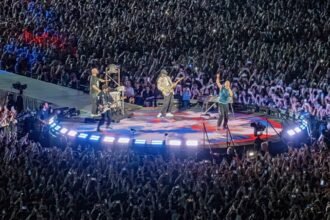
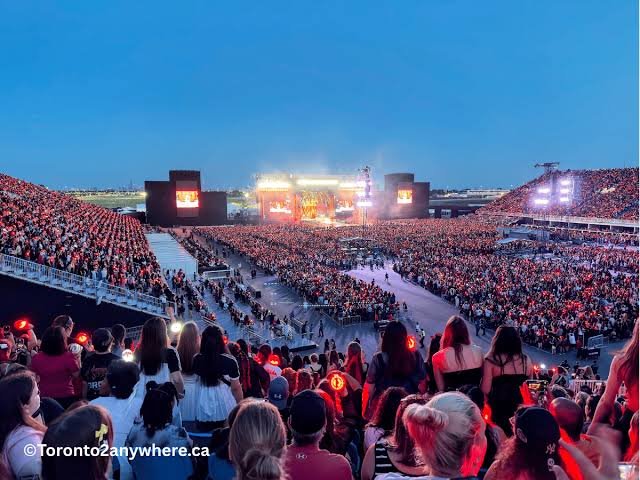
Attending a massive stadium gig in India is an absolute rush, but if you don’t plan ahead, a 50,000-capacity event can quickly turn into a stressful logistical nightmare. Whether you are heading to the Narendra Modi Stadium in Ahmedabad for Coldplay, catching Diljit Dosanjh at JLN Stadium in Delhi, or heading to D.Y. Patil Stadium in Mumbai, major Indian venues present unique operational challenges that mainstream travel blogs simply don’t understand.
As a musician, producer, and live performer who has spent 10 years working in the active music industry and navigating complex backstage stadium logistics, I know exactly where the hidden bottlenecks are. From crashing mobile networks to strict local security gate protocols, here is my field-tested survival blueprint to ensure your stadium concert experience is legendary for all the right reasons.
1: Pre-Gig Logistics (The Hidden Bottlenecks)
📲 The Network Crash: Download Your Tickets Offline
When 40,000 to 100,000 music fans pack into a tight stadium perimeter, local cellular towers instantly become overloaded. Your 5G or 4G data connection will completely crash around the venue.
Do not rely on loading your BookMyShow or Insider app at the gate. Open your ticketing app the morning of the show, take a clear screenshot of your entry QR codes, or download the ticket PDF directly to your phone’s local storage.
🪪 Strict ID Verification Rules
Indian stadium security gates have significantly tightened local regulations. Ensure you carry a valid physical or digital government-issued photo ID (Aadhaar Card, Pan Card, or Driving License). The name on your ID profile must match the booking name on your ticket stub, or gate security can legally deny you entry.
2: Getting to the Venue (The Indian Transit Survival Guide)
⏰ The 3-Hour Golden Entry Rule
Mainstream news sites tell you to arrive “an hour before the show.” As a performer who has watched queues from the stage, I can tell you this is a recipe for missing the opening acts.
Stadium gates in India involve multiple outer-perimeter cordons, physical body pat-downs, and wristband exchange lines. Arrive at the venue at least 2.5 to 3 hours before the show starts. This gives you ample time to clear security, locate your specific bay or stand, buy refreshments, and settle into your spot without rushing.
🚕 The Post-Concert Transport Trap
When the stadium lights turn off at 11:00 PM, tens of thousands of fans exit onto the street simultaneously. Booking an Uber, Ola, or Rapido right outside the main gate is completely impossible due to severe network congestion and local police traffic diversions.
- The Pro Strategy: Walk at least 1.5 to 2 kilometers away from the stadium perimeter code zone before attempting to book a rideshare. Alternatively, research the nearest local Metro station or local train network ahead of time—public transit is almost always faster than sitting in a gridlocked post-concert traffic jam.
3: What to Wear and Pack (Strict Stadium Regulations)
🚫 The Prohibited Items Checklist
Indian stadium security teams are notoriously strict. If you carry any of the following items, you will be forced to throw them away at the gate, as venues do not provide cloakrooms or luggage lockers:
- Power Banks & Charging Cables (Almost universally banned at major concert gates due to safety regulations).
- Outside Food & Liquids (Including water bottles, which must be purchased inside the venue).
- Umbrellas & Helmets (Flagged as potential security hazards).
- Large Backpacks (Keep bags restricted to small, lightweight A4-sized cross-body slings).
👟 Wear Performance Footwear
Even if you have a seated ticket, attending a stadium show requires an immense amount of standing, walking across gravel or turf, and navigating endless flights of concrete stairs. Leave the heels, boots, and open-toe slippers at home. Wear highly cushioned, breathable sneakers that can handle 6+ hours of continuous standing.
4: Why an Audio Producer Recommends High-Fidelity Earplugs
When you are standing in a stadium, the touring line-array sound systems are pushing anywhere from 100 dB to 110 dB of sound pressure. Prolonged exposure to these volumes can cause permanent hearing damage, acoustic shock, and that annoying ringing sound in your ears the next morning (known as tinnitus).
As an audio engineer, I never attend a stadium show without protection. However, generic foam earplugs from a local pharmacy are terrible—they muffle the high frequencies and turn the beautiful music into a muddy, unbalance mess.
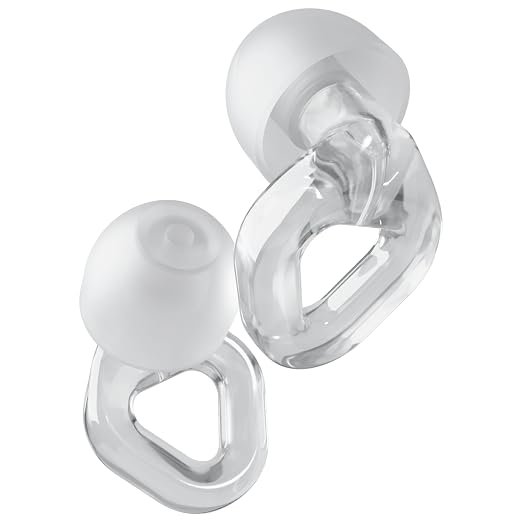
Instead, you should invest in High-Fidelity Concert Earplugs. These utilize specialized acoustic filters that reduce the overall volume evenly across all frequencies. This means you still hear the crispness of the vocals and the punch of the bass perfectly, just at a safe, comfortable volume level.
- Top Picks Available in India: If you want to protect your ears without ruining the soundstage, look into options like the Alpine Hearing Protection. They sit cleanly in your ear canal, look stylish, and are completely reusable for future festivals.
My Personal Favourite : Zenz Flow Earplugs
Need a Professional Home to Showcase Your Own Music?
Are you an aspiring independent singer, producer, or band member reading this guide? Getting your music onto big stadium stages requires building a professional digital presence that labels and festival bookers respect.
We build fast, responsive, custom websites tailored specifically for music creators—featuring seamless Spotify streaming embeds, custom Electronic Press Kits (EPKs) for venue bookers, and tour tracking layouts. Check out our Custom Music Web Design Services to take your music career to the next absolute level!