
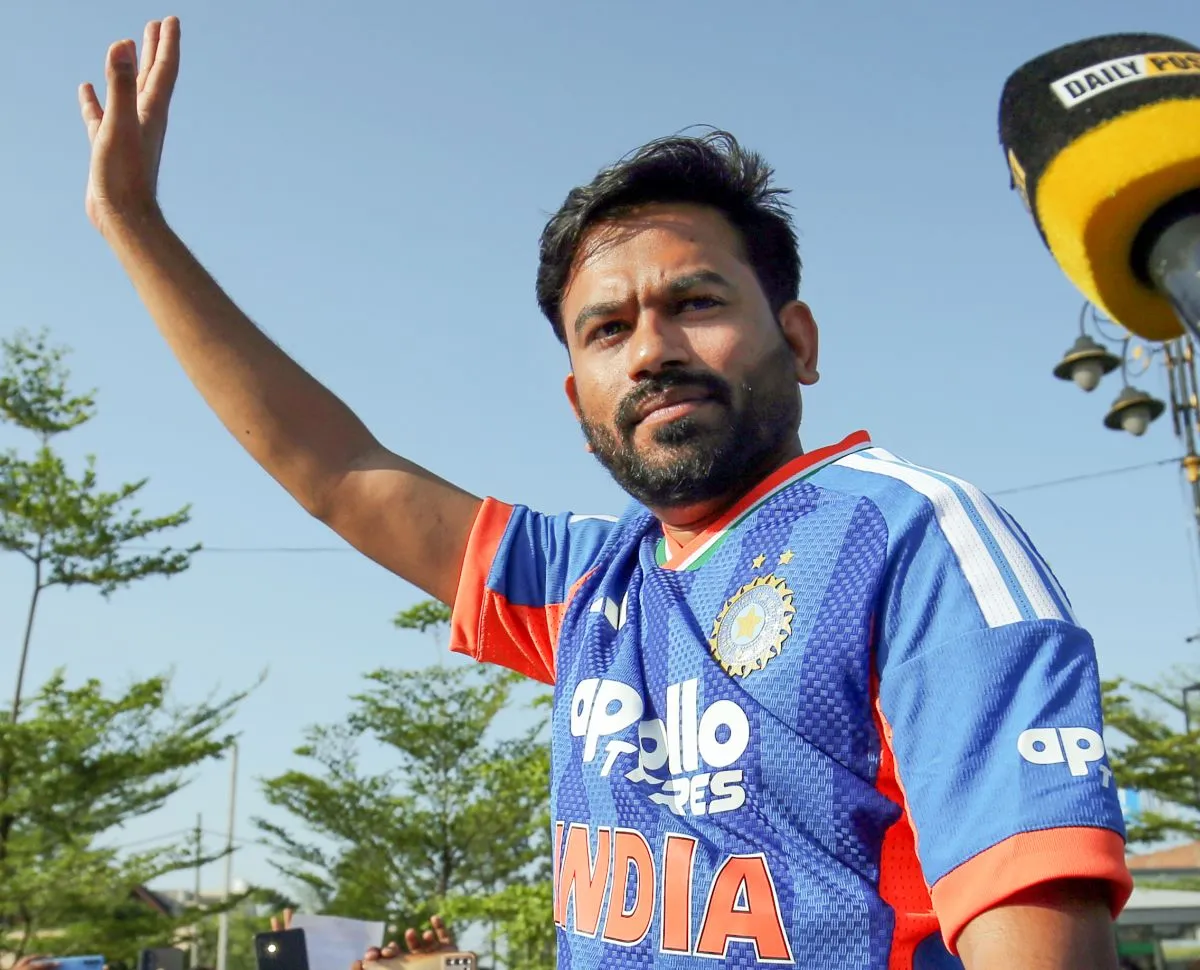
A new campaign led by Abhijeet Dipke, founder of the Cockroach Janta Party (CJP), is putting an issue that rarely dominates political headlines at the centre of attention: the condition of government schools in Indian villages.
Dipke has announced that the campaign will begin nationwide on August 15, 2026, India’s Independence Day. He plans to start the initiative from his own village in Hingoli, Maharashtra, by approaching the village head and asking for improvements to the local government school.
Why Is Abhijeet Dipke Talking About Village Schools?
Dipke’s argument is fairly simple: India has invested heavily in major national projects, but many children in rural areas still struggle with basic facilities at school.
He has questioned why the country can build a new Parliament building and a new Prime Minister’s residence, while many villages continue to lack properly equipped government schools.
The campaign particularly highlights problems such as lack of drinking water, toilets, electricity and access to schools. Dipke has also pointed out that girls can face additional difficulties when schools don’t have functional washrooms.
His larger question is whether children of farmers and labourers should have access to a lower standard of education infrastructure simply because they live in villages.
What Is the Sarpanch Challenge?
One of the most interesting parts of the Abhijeet Dipke village schools campaign is the proposed “Sarpanch Challenge.”
The CJP is calling on sarpanches across India to take responsibility for improving government schools in their villages.
The idea isn’t only to criticize local authorities. Dipke wants village heads who actually improve their schools to be publicly recognised.
The organisation says it plans to share before-and-after photographs of improved schools on its social media platforms and give credit to the sarpanches responsible. The hope is that one successful village could encourage another to do the same.
Parents Could Become Part of the Campaign Too
The campaign also proposes a citizen-led social audit of government schools.
Parents whose children attend government schools would be encouraged to visit the schools and check whether basic facilities are actually available.
The proposed checks include:
- Is there electricity?
- Is clean drinking water available?
- Are the toilets functional?
- Are students receiving their mid-day meals?
- Are other basic facilities being maintained?
If something is missing, parents would be encouraged to document the problem through photographs or videos. CJP says it plans to provide a printable audit form so that information can be collected in a more structured manner.
Why August 15?
The choice of Independence Day is deliberate.
Dipke has argued that August 15 should not only be about celebrating India’s past, but also thinking about the kind of country being built for its children.
The campaign’s message is particularly focused on rural India, where government schools remain an important part of access to education.
Rather than making the campaign only about political speeches, CJP is attempting to turn it into a ground-level exercise involving parents, citizens and village leaders.
This Fits Into CJP’s Larger Education Campaign
The village-school initiative is not the first education-related campaign associated with Abhijeet Dipke.
CJP previously built its public movement around examination-related concerns and education reforms, including protests over alleged irregularities in competitive examinations. The organisation has since said it wants to work more at the grassroots level and currently describes itself as a public pressure group rather than focusing on becoming a conventional political party.
In August, CJP also announced its broader “Kya Bolti Public” campaign, which is intended to take the movement into different parts of the country and engage directly with citizens on issues including education and unemployment.
The village-school campaign therefore appears to be another step in that shift—from social-media activism and large protests toward local issues that people can see and document themselves.
Can a Campaign Like This Actually Improve Schools?
That’s the big question.
Government-school infrastructure is not something that can be fixed simply through social-media posts. Funding, administration, teacher availability, maintenance and coordination between different levels of government all matter.
But there is value in making basic problems visible.
A broken toilet, missing drinking water facility or lack of electricity is easy to ignore when nobody is documenting it. A campaign that encourages parents to physically inspect schools and publish evidence could create pressure for local authorities to respond.
The Sarpanch Challenge also takes a slightly different approach by publicly recognising local leaders who make improvements rather than only naming those who fail.
The Bigger Issue Behind Abhijeet Dipke’s Campaign
At its heart, the campaign is asking a question that goes beyond CJP or Abhijeet Dipke:
Does every Indian child get the same basic educational environment, regardless of where they are born?
A child growing up in a city and a child growing up in a remote village may have very different experiences even before they enter a competitive examination.
If a student has to travel a long distance to reach school and then finds no clean water or functional toilet, education becomes much more difficult.
That is why the village-school campaign could potentially connect with parents well beyond the political audience that usually follows CJP.
What Happens on August 15?
The nationwide campaign is scheduled to begin on August 15, 2026, with Dipke starting from his village in Hingoli.
The real test will be what happens after the announcement.
If citizens begin documenting school conditions, sarpanches respond to the challenge and some schools actually improve, the campaign could turn a political message into something much more tangible.
For now, Abhijeet Dipke’s message is straightforward: before talking about India’s future, perhaps the country needs to look at the schools where that future is being educated.
And that makes the village-school campaign worth watching.